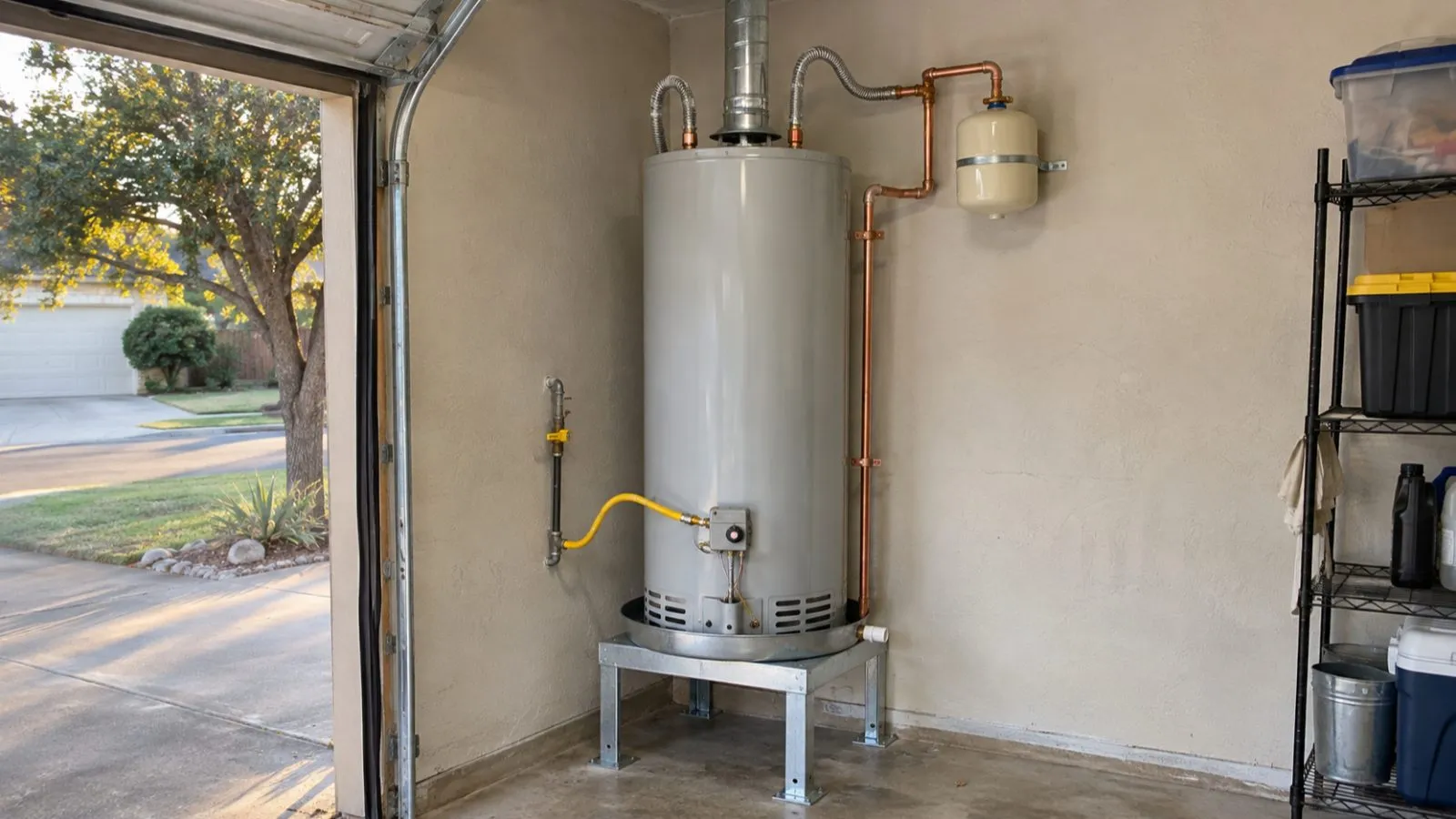
Water Heater Replacement Guide
How Water Heater Replacement Works and What Affects the Cost
Describe your existing water heater and connect with an independent contractor. Get a Free Estimate
Replacing a water heater involves evaluating the existing system, selecting compatible equipment, removing the old appliance, and installing and testing its replacement. The work needs to account for more than tank capacity. Fuel supply, electrical connections, venting, water lines, drainage, safety components, and equipment access can all influence the project.
We receive replacement requests and pass them to independent local contractors. The contractor follows up with the customer, evaluates the property, explains equipment choices, and provides an estimate for the proposed work. This page explains the main stages of the job and the considerations homeowners should understand before approving a replacement.
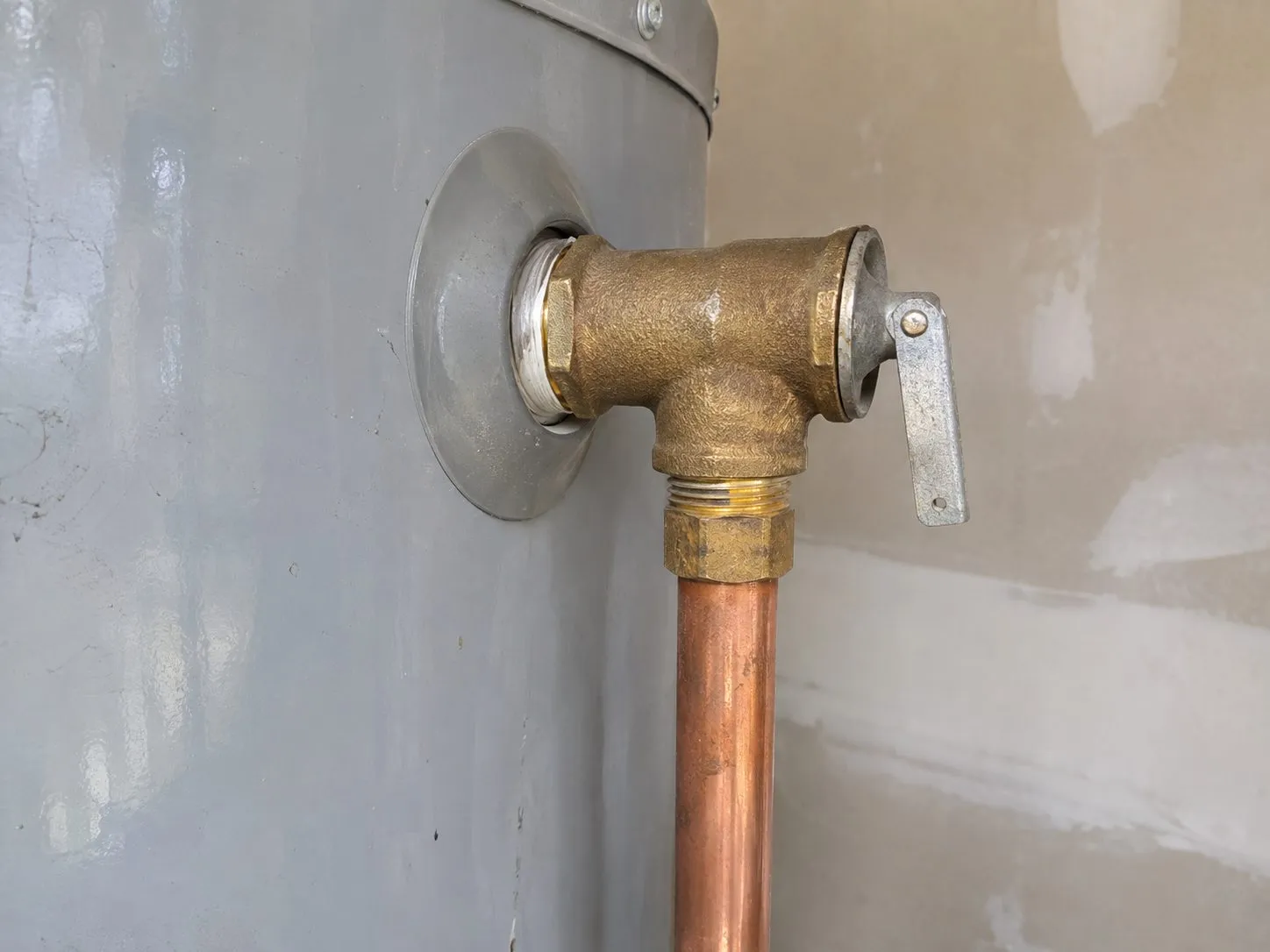
Every installation is different, but a professional replacement generally involves several connected tasks. The contractor determines which of these apply to the home before presenting the final scope.
The contractor identifies the current heater's type, capacity, fuel source, location, and condition. This assessment helps determine whether a comparable replacement is suitable or whether another configuration should be considered.
The replacement should match household hot water demand and the property's available utilities. Storage capacity, recovery rate, tankless flow rate, energy source, dimensions, and manufacturer requirements all deserve consideration.
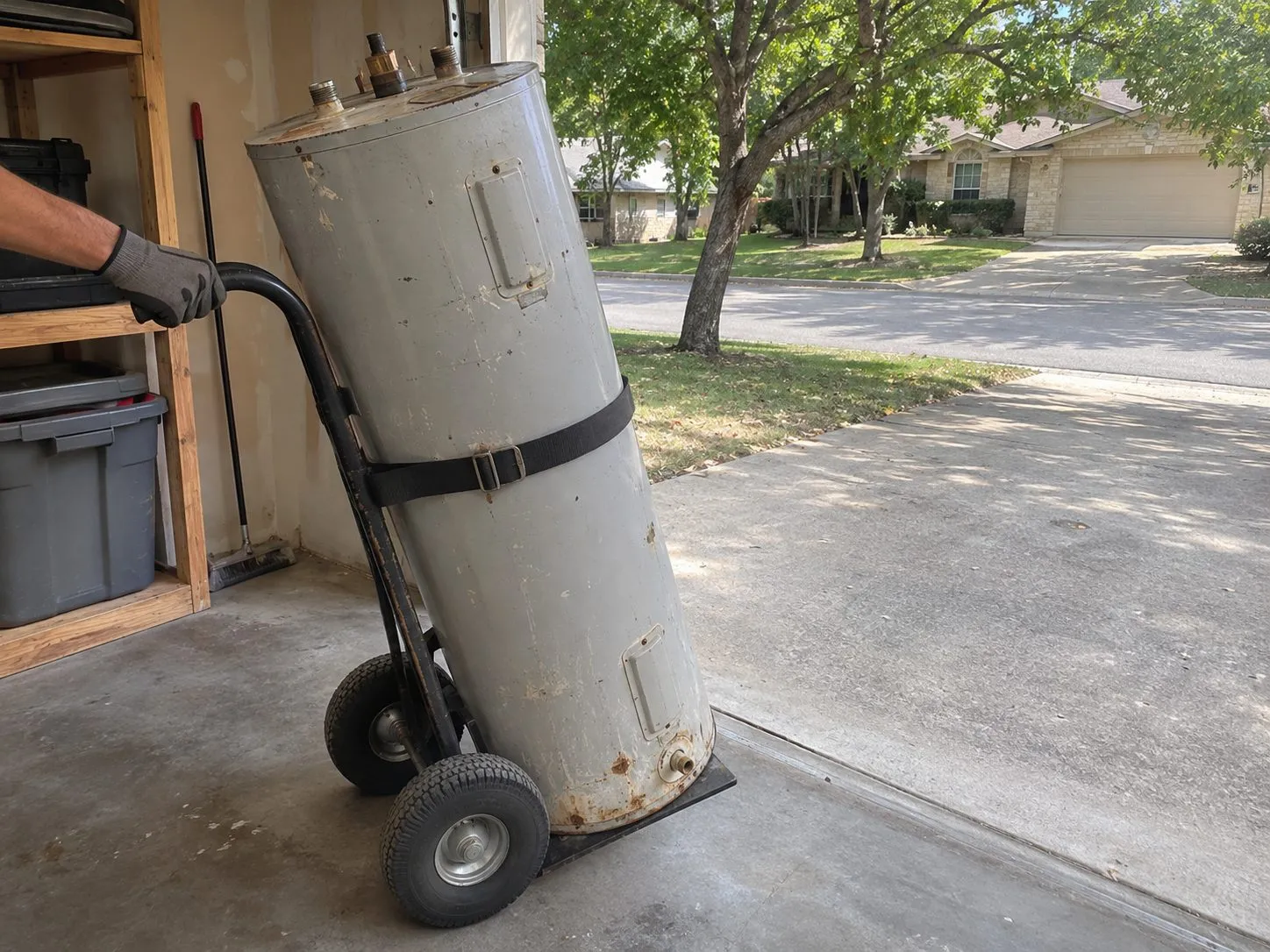
The existing appliance must be isolated from its water and energy supplies and removed safely. The contractor considers drainage, access, surrounding surfaces, and disposal arrangements as part of the job.
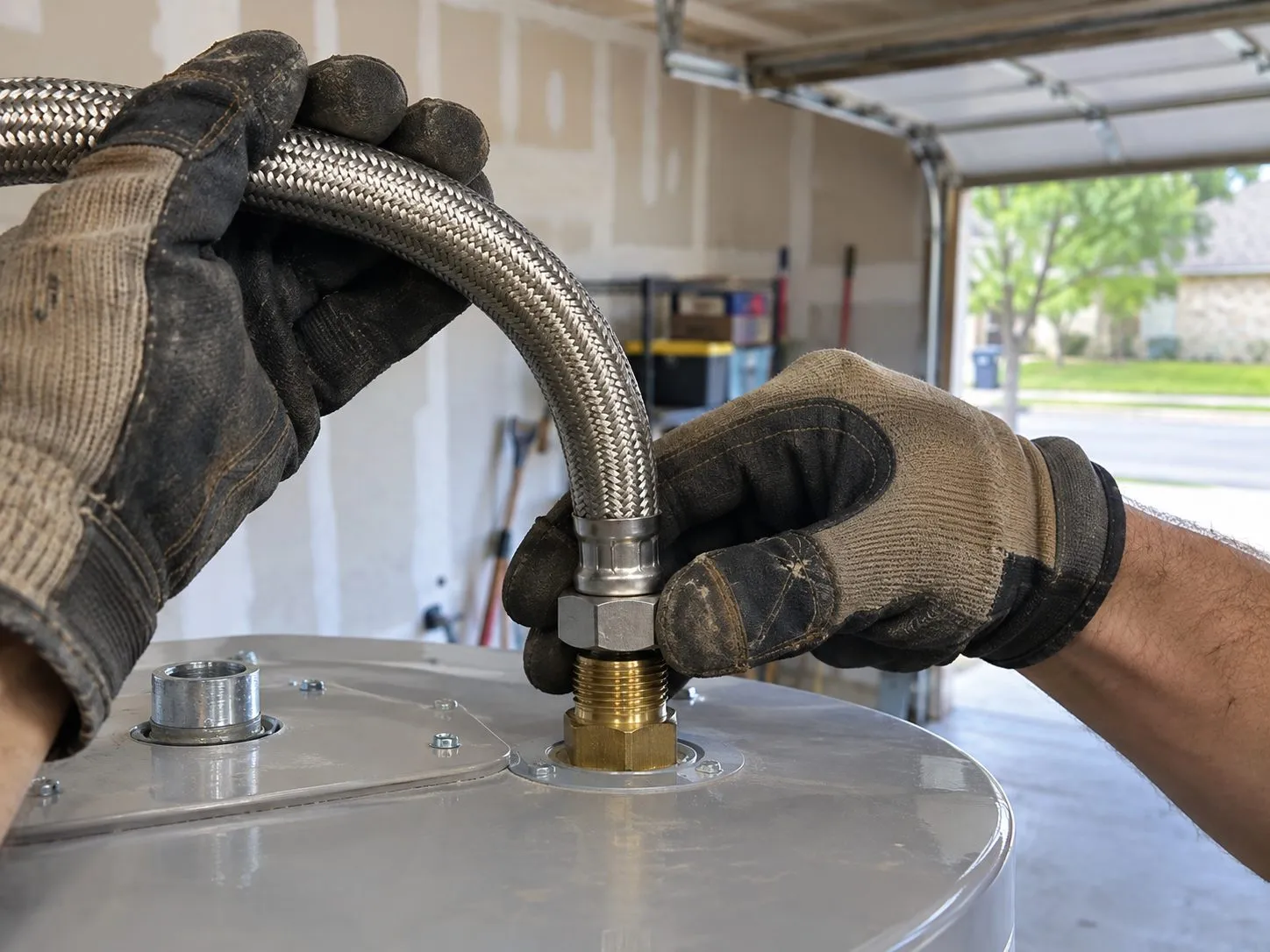
Water lines, shutoff valves, gas connections, electrical circuits, venting, and drainage are reviewed against the requirements of the new equipment. Changes may be necessary if existing components are unsuitable or deteriorated.
After installation, the contractor checks the connections and operation of the equipment according to applicable requirements and manufacturer instructions. The customer should receive an explanation of normal operation and maintenance.
Submit the basic details of your replacement request and we will pass them to an independent contractor for follow-up.
The contractor can evaluate your current equipment and explain which installation requirements apply to the property.
The contractor prepares the estimate and performs the approved replacement. We provide the connection rather than carrying out plumbing work.
Start with a description of your existing equipment. We will pass your request to an independent contractor who can discuss the replacement.
Free — no obligations
Share whether your current unit is gas or electric, tank or tankless, and whether it is leaking, unreliable, or being replaced as part of an upgrade.
We receive the information and pass your request to an independent local contractor for consideration and follow-up.
The contractor contacts you, discusses the project, and evaluates the equipment and installation conditions as necessary.
The contractor explains the proposed replacement, identifies relevant installation work, and provides the estimate for your consideration.
If you approve the proposal, the contractor arranges the work, removes the existing unit, installs the replacement, and completes the agreed testing.
National figures give you a starting point. Fixr puts the average water heater installation at about $1,400, with most homeowners paying between $900 and $3,000. For a gas tank replaced in an existing gas setup, Fixr's average is $1,900, with most jobs between $1,000 and $2,700. New venting can add $500 to $1,100.
A whole-home tankless install usually runs $1,200 to $3,500, about $2,800 on average, according to This Old House. Your price depends on fuel type, tank size, where the heater sits and what the venting and gas line need. The contractor's estimate for your home is the number to plan around.
Plumbing work in Round Rock, water heater replacement included, goes through the city's standalone trade permit on the City of Round Rock Permit Portal. The city says plan review usually takes 3 to 5 business days after the application is accepted. Ask the contractor to confirm who pulls the permit before work starts, and check their license with the Texas State Board of Plumbing Examiners.
Not necessarily. Compatibility, capacity, fuel type, dimensions, and installation requirements are more important than matching the previous brand. The contractor can explain which replacement models are appropriate.
Permit and inspection requirements depend on the location and details of the installation. Ask the contractor which requirements apply to your property before approving the work.
Clear stored items, furniture, and other obstructions around the water heater and along the access route. The contractor may also ask you to secure pets or arrange access to utility areas.
Removal and disposal should be discussed in the written estimate. Confirm whether hauling away the existing equipment is included in the proposed work.