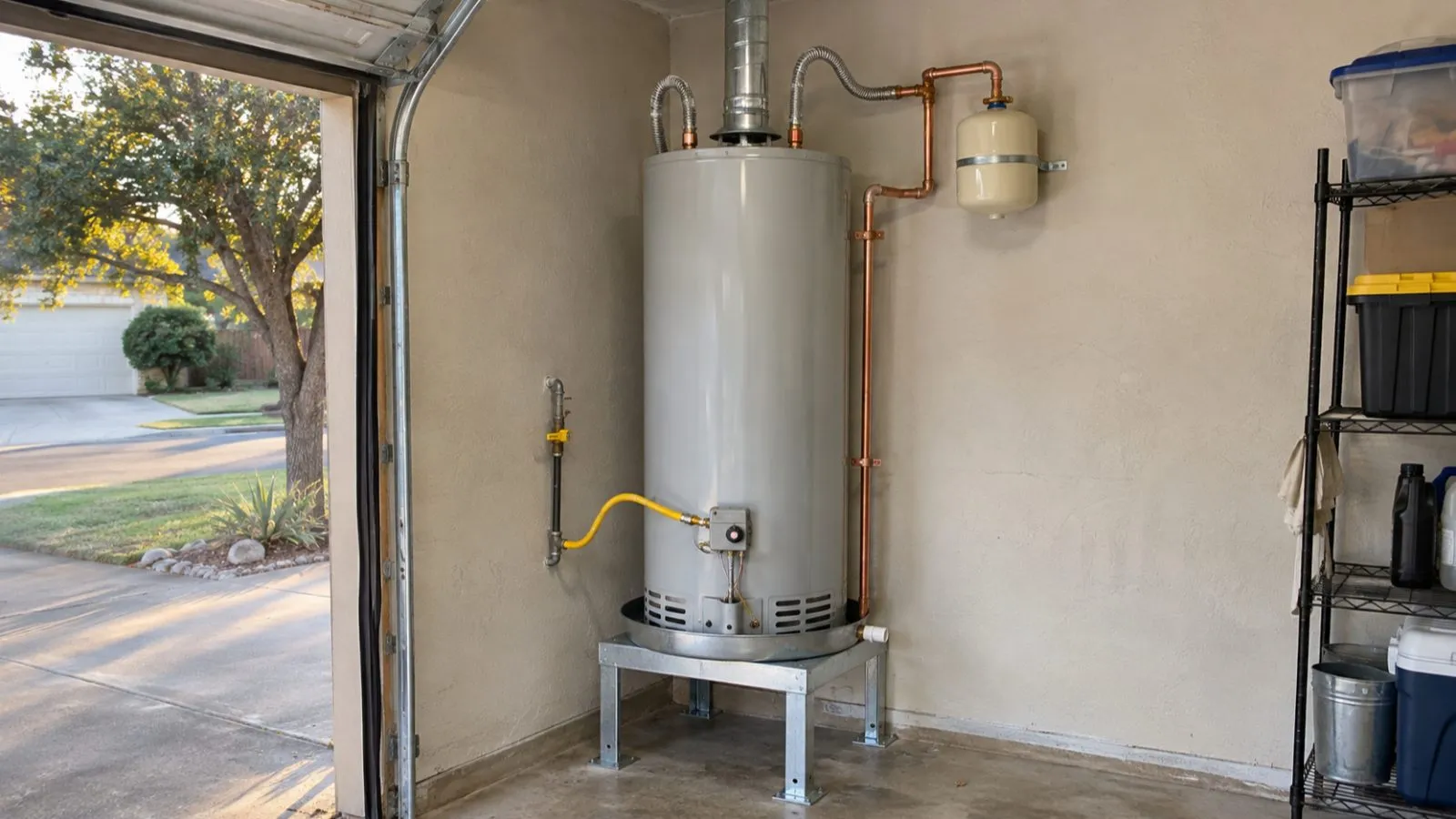
Round Rock Water Heater Replacement
Water Heater Replacement in Round Rock, TX
Request water heater service and get connected with an independent local contractor. Get a Free Estimate
When your water heater stops working, starts leaking, or can no longer keep up with your household, finding someone to handle the problem becomes a priority. Water Heater Replacement Round Rock helps homeowners connect with independent local contractors for water heater replacement in Round Rock, TX. Whether your existing tank has reached the end of its useful life, you are considering a tankless system, or you need help understanding a sudden equipment problem, we make it easier to get your request to a contractor.
We take your service request and pass it to an independent local contractor. The contractor contacts you to discuss the situation, learn about your existing equipment, arrange an evaluation when appropriate, provide an estimate, and perform the agreed work. This arrangement gives homeowners a straightforward starting point without suggesting that we personally employ the contractor or carry out plumbing work. You can describe the problem, explain what you are looking for, and take the next step toward restoring dependable hot water.
We believe arranging home service should start with a clear explanation of the problem and a useful connection to someone who can evaluate it. Water Heater Replacement Round Rock focuses on connecting homeowners with independent local contractors who handle water heater replacement and related installation requests. We serve a practical purpose: receive the customer's information, understand the type of help being requested, and pass the request along so the contractor can take the conversation forward.
We do not perform the plumbing work ourselves. We take the request and pass it to an independent local contractor, who contacts the customer, discusses the equipment and the requested service, provides the estimate, and carries out the work if the customer agrees. The contractor is the person responsible for evaluating the property, explaining the proposed installation, and completing the job. We want homeowners to understand this arrangement from the beginning so there is no confusion about who provides the estimate or performs the service.
More about us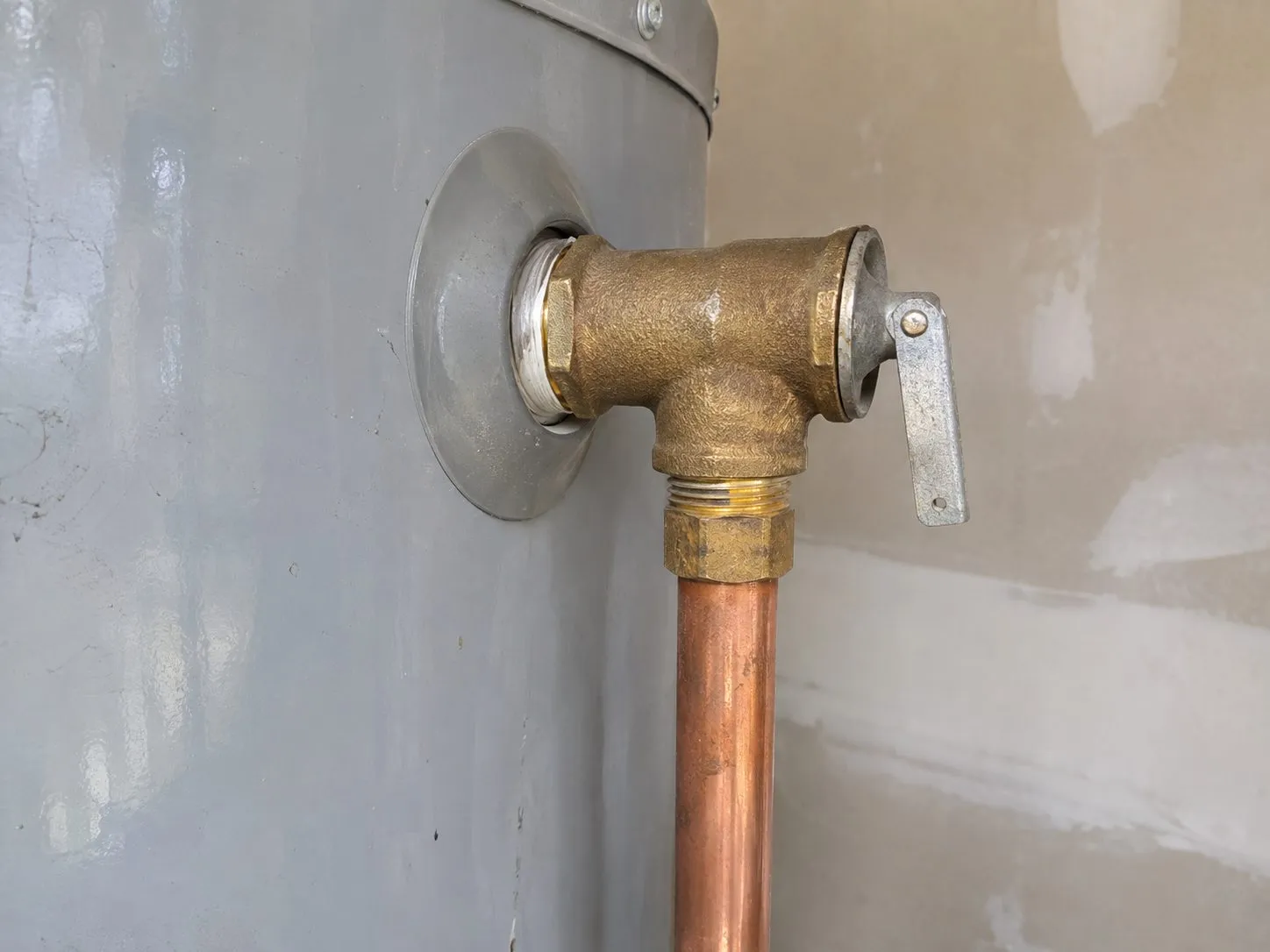
From replacing a worn-out storage tank to considering a modern tankless system, we connect Round Rock homeowners with independent local contractors for water heater replacement, tankless water heater installation, and emergency water heater repair requests.
Explore on-demand hot water options and connect with a contractor to evaluate a tankless installation for your property.
Learn more →Send an urgent water heater request for contractor follow-up when leaks, equipment failures, or sudden hot water loss disrupt your home.
Learn more →Understand the replacement process, equipment choices, installation requirements, and factors that influence the contractor's estimate.
Learn more →Our service area covers Round Rock and nearby communities throughout Williamson County and the surrounding Austin metropolitan area. Requests can come from established residential streets, newer master-planned developments, townhome communities, and homes outside the main city centers. We recognize that access, equipment location, home age, and existing plumbing arrangements can vary considerably from one property to another.
We accept requests from Georgetown, Pflugerville, Hutto, Cedar Park, Leander, Brushy Creek, Teravista, and Forest Creek. We pass each request to an independent local contractor for follow-up. Contractor availability and the ability to serve a particular address are confirmed during that conversation. If you are unsure whether your neighborhood falls within the service area, include your location when submitting your request.
See all service areas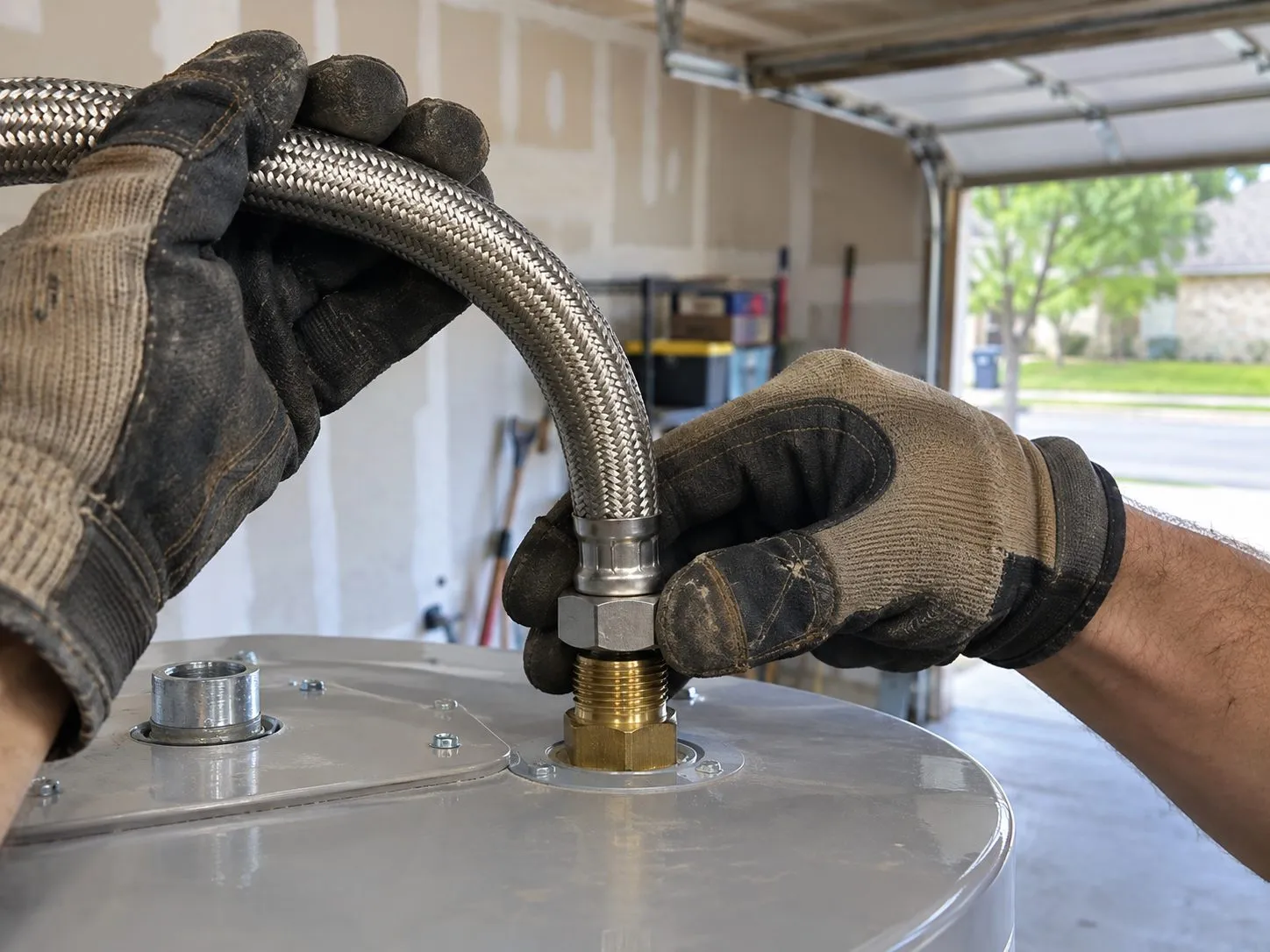
You can explain your water heater problem in one request instead of trying to work out every technical detail before speaking with a contractor.
We connect customers with independent contractors who can discuss the requested work, assess the equipment, and explain the available approach.
Requests can involve conventional tank replacement, tankless installation, or an urgent problem that may require repair or replacement.
The contractor contacts you, provides the estimate, explains the work, and performs the agreed service. We make the referral connection.
We accept requests across Round Rock and nearby Williamson County communities, including established neighborhoods and newer residential developments.
Replacing a water heater is more involved than removing an old appliance and putting another one in its place. The process begins with understanding what is installed, what has gone wrong, and what the household needs from its hot water system. A conventional storage tank, for example, holds a reserve of heated water. A tankless unit heats water as it passes through the equipment. These systems have different installation requirements, operating characteristics, and space considerations.
The first step for a homeowner is to describe the current situation. Useful details include whether the existing heater is gas or electric, whether it uses a storage tank, approximately how old it is, and whether the problem involves leaking, inconsistent temperatures, unusual sounds, or a complete loss of hot water. Photographs of the equipment label and surrounding area may also help the contractor understand the request before arranging an evaluation.
Once we receive the information, we pass the request to an independent local contractor. The contractor contacts the homeowner, asks any necessary questions, and determines whether an on-site inspection is needed. The contractor then considers the equipment, plumbing connections, installation location, venting where applicable, electrical requirements, and other relevant conditions. Those details help determine which replacement equipment is appropriate and what work is involved.
The contractor provides the estimate and explains the proposed work. Homeowners should have an opportunity to understand what equipment is included, whether old equipment will be removed, what installation changes are necessary, and whether additional work may be required. The customer can then decide whether to proceed. If the work is approved, the contractor handles the installation, testing, and related work agreed upon. A clear explanation at each stage helps prevent misunderstandings and makes it easier to compare replacement options.
A water heater usually gives some warning before it stops providing dependable hot water. One common sign is a change in how much hot water is available. A household that previously had enough hot water for normal showers and daily activities may begin running out much sooner. This can result from sediment accumulation, a failing heating element, burner problems, thermostat issues, or a tank that has lost some of its effective capacity.
Visible water around the base of a storage tank deserves particular attention. A leak can come from a connection, valve, drain fitting, or the tank itself. A leaking connection may sometimes be repairable, but a tank that has developed a structural leak generally needs replacement. Water should not be ignored simply because the amount appears small. Continued leakage can damage nearby flooring, drywall, cabinets, and stored belongings.
Other warning signs include rusty-looking hot water, repeated temperature fluctuations, unusual popping or rumbling sounds, and frequent equipment shutdowns. Discolored water does not automatically mean the water heater needs replacement, because plumbing conditions can also contribute. However, a change in hot water appearance is worth investigating. Rumbling may indicate sediment collecting at the bottom of a storage tank, while repeated interruptions can point to a component or supply problem.
Age is another consideration, but age alone does not establish that replacement is necessary. Maintenance history, water quality, equipment condition, usage, and previous repairs all matter. A contractor can inspect the unit and explain whether repair is reasonable or whether replacement is the more practical option. If you notice active leaking, a burning smell, electrical concerns, or suspected gas problems, prioritize safety. Avoid opening equipment panels or attempting repairs without appropriate knowledge. For a suspected gas leak, leave the area and contact the appropriate emergency service or gas utility.
Choosing replacement equipment starts with understanding how your household uses hot water. A home with several bathrooms, frequent overlapping showers, and high simultaneous demand may need a different configuration from a smaller household with modest daily usage. The number of occupants matters, but so do habits, fixtures, laundry schedules, and whether multiple appliances commonly require hot water at the same time.
Traditional storage tank water heaters remain a familiar option. They store heated water so it is available when needed. Their capacity must be matched to the household's demand, and recovery performance is important when several people use hot water close together. A tank that is too small may leave occupants waiting for reheating, while an oversized unit may use more energy than the household requires.
Tankless systems work differently. They heat water as it flows through the unit rather than maintaining a large stored supply. Their suitability depends on the required flow rate, incoming water temperature, energy source, and available electrical or gas capacity. A tankless installation may require changes to gas piping, venting, electrical circuits, or other parts of the home's existing setup. It is important not to assume that a tankless unit can simply replace a conventional tank without modifications.
Fuel type is another major decision. Gas and electric systems have different equipment requirements and installation considerations. A contractor should review the existing connections and explain whether the current arrangement can support the proposed replacement. Other factors include available installation space, manufacturer specifications, warranty terms, maintenance requirements, and the household's expectations for long-term operation.
When comparing options, ask the contractor why a particular capacity or model is recommended. Find out whether the proposed unit supports your expected simultaneous demand, what installation changes are included, and what maintenance the manufacturer recommends. The right selection is not necessarily the largest or most advanced system. It is the equipment that fits the home, available utilities, and everyday hot water requirements.
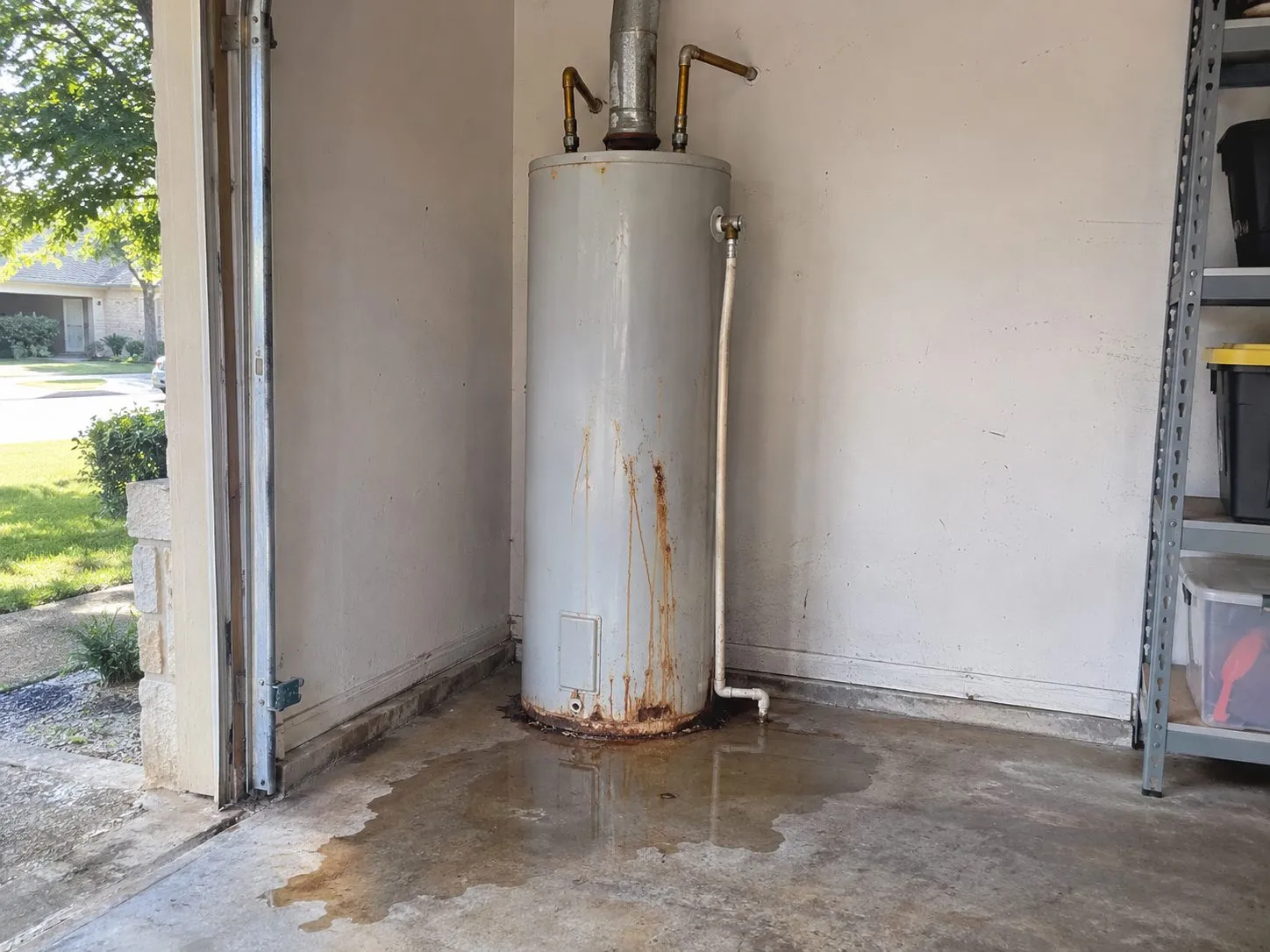
The condition of the existing installation has a major influence on the replacement work. If a conventional tank is being replaced with a similar unit in the same location, the project may be more straightforward than a conversion to a different system. Even a like-for-like replacement needs the contractor to confirm that the new appliance is compatible with the existing connections and installation conditions.
Equipment type and capacity are important considerations. Different tank sizes and tankless models have different physical dimensions, utility requirements, and installation instructions. A larger unit may not fit in the existing space without adjustments. A tankless conversion may require changes to gas supply capacity, venting arrangements, electrical service, or condensate management depending on the equipment selected.
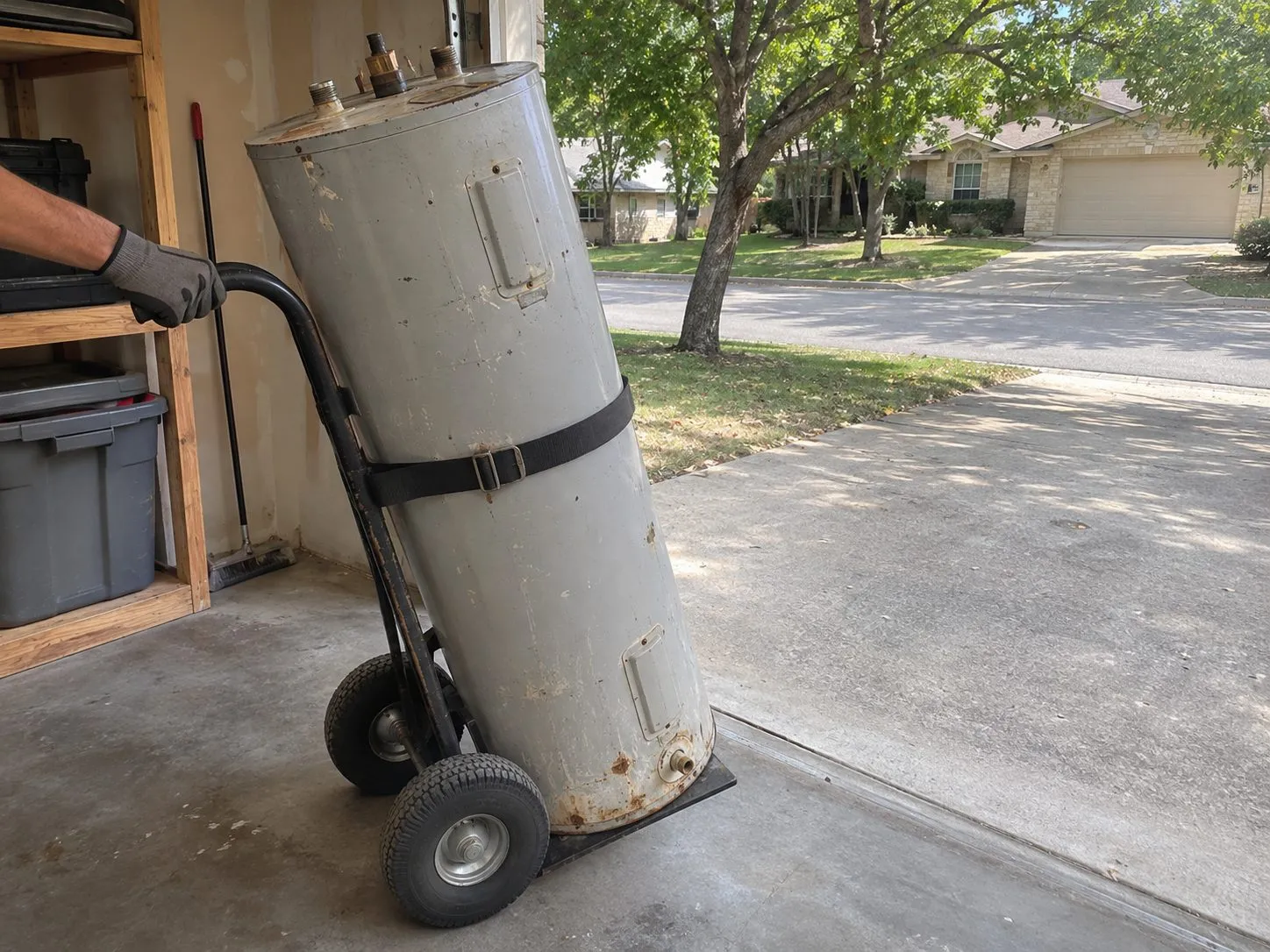
Access to the water heater also matters. Units installed in garages, utility rooms, closets, attics, or other confined locations present different removal and installation conditions. The contractor may need to consider stairs, narrow access points, protective coverings, drain arrangements, and the practical route for removing the old equipment. Homes with elevated or restricted installations may need additional planning.
Other factors include the state of shutoff valves, water lines, drainage, expansion control, venting, and safety devices. Local code requirements and applicable manufacturer instructions must also be considered. If existing connections are deteriorated or unsuitable, the contractor may recommend correcting them as part of the project. These findings should be explained before the customer approves additional work.
The most useful way to understand the scope is through a site-specific assessment. General information can help homeowners prepare, but it cannot establish the exact work required at a particular property. The contractor evaluates the installation, identifies compatibility issues, explains the proposed equipment, and provides the estimate. A detailed written description of the included work makes it easier to understand what is being replaced and what is staying in place.
Round Rock and the wider Williamson County area contain a broad mixture of housing styles. Older homes near established parts of the community may have equipment installed under earlier construction standards, while newer developments often have more recent plumbing and utility layouts. Neither home age nor neighborhood name alone tells you whether an installation is suitable for modern replacement equipment. The actual connections, equipment condition, and available space must be checked.
Water characteristics are also worth discussing. Central Texas homeowners may encounter mineral deposits and scale associated with hard water. Mineral accumulation inside a storage tank can contribute to sediment, reduced heating efficiency, and popping or rumbling sounds. Tankless equipment can also require attention to water quality and manufacturer-recommended maintenance. Ask the contractor whether the equipment manufacturer recommends particular maintenance intervals or water treatment considerations for your installation.
Seasonal conditions can affect how noticeable a water heater problem becomes. During cooler weather, incoming water is colder, so the equipment must provide a greater temperature increase to deliver the same hot water temperature. A system that seemed adequate during warmer months may feel less capable when demand increases or incoming water temperatures fall. This does not automatically indicate equipment failure, but it can reveal an undersized or poorly performing system.
Many Williamson County properties have water heaters located in garages, utility closets, or other areas with limited access. A replacement may involve moving equipment through a narrow opening or working around shelving and stored belongings. Before the contractor arrives, clearing the immediate area can make inspection and removal easier. If equipment is in an attic or another elevated location, mention that when describing the request.
The contractor should evaluate the actual property rather than rely on broad assumptions about the region. Local housing conditions provide useful context, but each installation has its own requirements. Understanding those differences helps homeowners ask better questions and select equipment that suits the property.
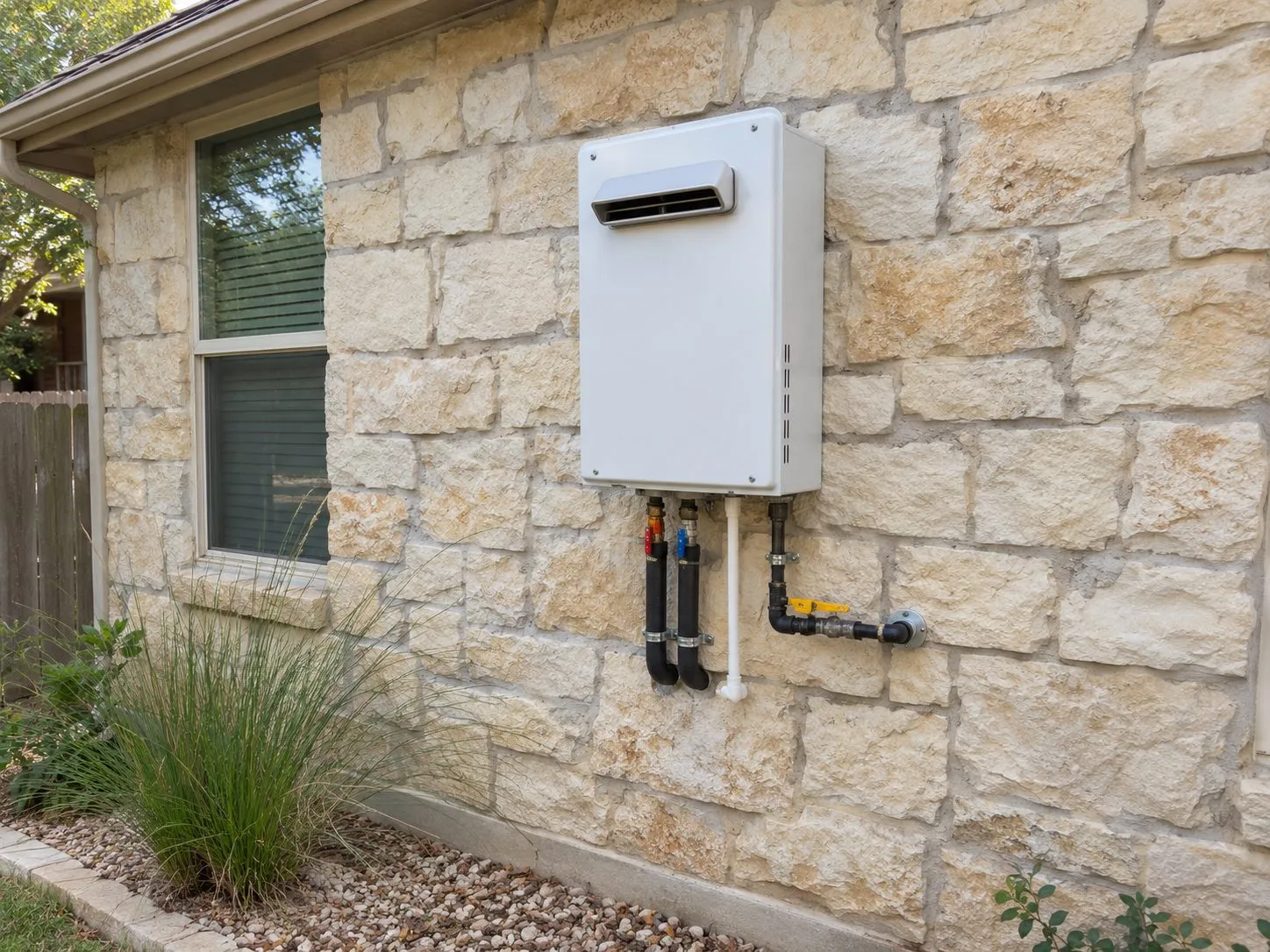
A water heater is an important part of daily household operation, so choosing the person who performs the installation deserves careful attention. A useful first step is to confirm that the contractor is familiar with the type of equipment being considered. Replacing a standard electric tank is different from installing a gas tankless system, and the contractor should be able to explain the relevant installation requirements in plain language.
Ask what is included in the estimate. The description should identify the proposed equipment, removal of the existing heater, installation work, changes to connections, required safety components, and testing. If the contractor anticipates additional plumbing, electrical, venting, or gas work, ask why it is needed and whether it is included in the estimate. Clear scope descriptions make it easier to understand the complete project rather than focusing only on the equipment itself.
Homeowners should also ask about applicable permits and inspections. Requirements can depend on the property, equipment, work being performed, and local jurisdiction. The contractor should explain how these requirements apply to the proposed project. Do not assume that a replacement automatically has identical requirements in every city or county.
Manufacturer warranties deserve attention as well. Ask what warranty coverage applies to the equipment and what conditions must be met to preserve it. Labor coverage, if offered, may be separate from the manufacturer's equipment warranty. Maintenance obligations should also be explained, particularly for systems that need periodic flushing or other servicing.
Finally, communication matters. The contractor should be able to explain why the selected system fits your household, identify the work that will be performed, and answer questions before installation begins. Water Heater Replacement Round Rock provides the initial connection by passing your request to an independent local contractor. You can then discuss the project directly, review the estimate, and decide whether the proposed work is right for your home.
Water Heater Replacement Round Rock does not do the water heater replacement work itself. When you call or send the form, we pass your request to an independent local contractor who covers your part of Williamson County. That contractor contacts you, gives you the estimate and does the work.
See what happens after you call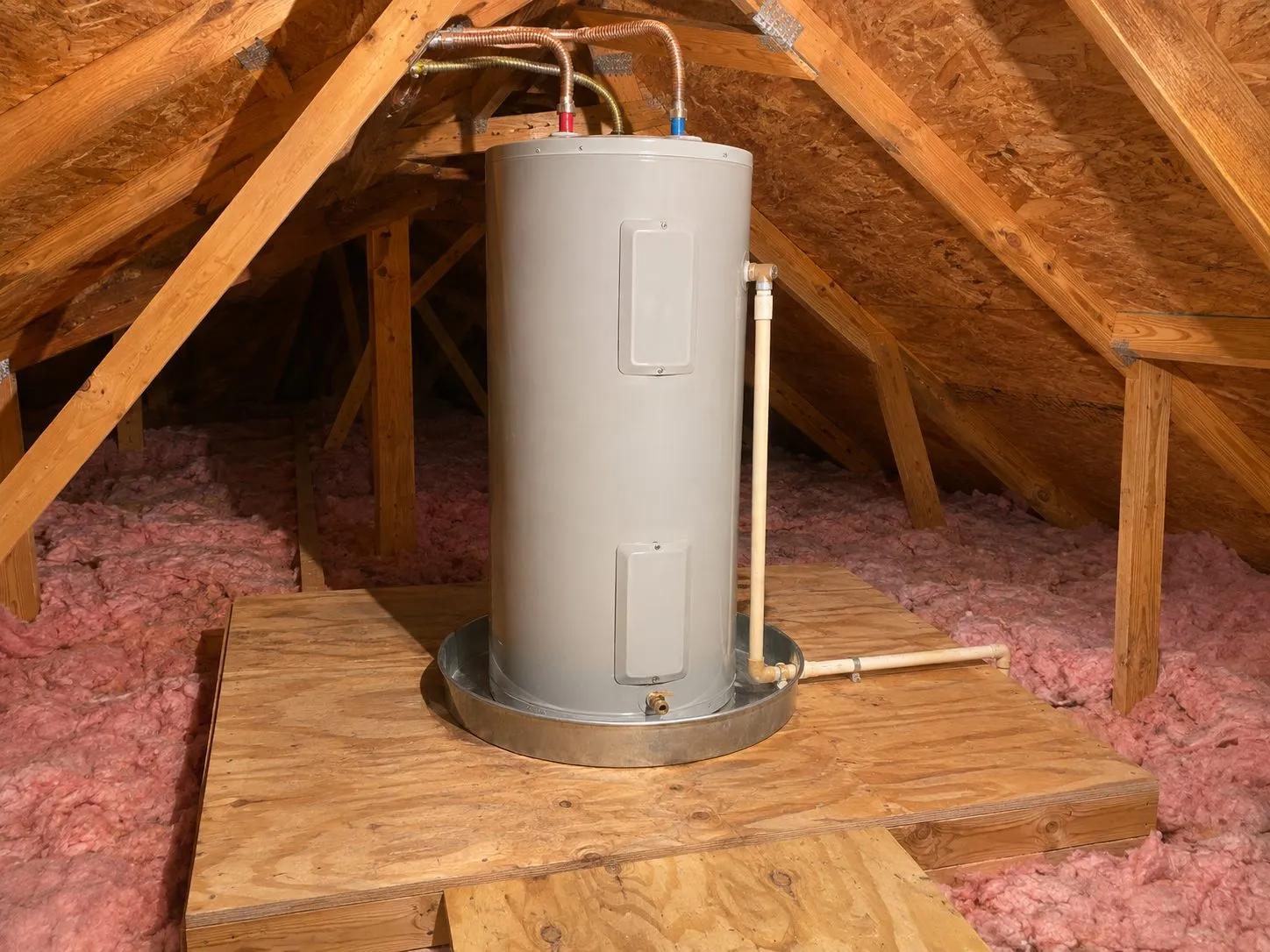
Frequent breakdowns, persistent leaking from the tank, rusty hot water, inconsistent temperatures, and insufficient hot water can indicate that replacement should be considered. A contractor can inspect the equipment and determine whether a repair is practical or a new unit is more appropriate.
A straightforward replacement may be completed in a single visit, but the actual duration depends on equipment type, access, and the condition of existing connections. Converting to tankless or correcting installation problems can require additional work.
In many homes, a conversion is possible, but it is not always a direct equipment swap. Gas capacity, electrical supply, venting, water connections, and installation space need to be evaluated by the contractor.
The decision depends on the equipment's condition, the nature of the fault, its maintenance history, and the likelihood of further problems. A contractor can explain the advantages and limitations of both approaches after evaluating the unit.
Need dependable hot water again? Send us your request and we will pass it to an independent local contractor for follow-up.
Free — no obligations
Plumbing work in Round Rock, water heater replacement included, goes through the city's standalone trade permit on the City of Round Rock Permit Portal. The city says plan review usually takes 3 to 5 business days after the application is accepted. Ask the contractor to confirm who pulls the permit before work starts, and check their license with the Texas State Board of Plumbing Examiners.