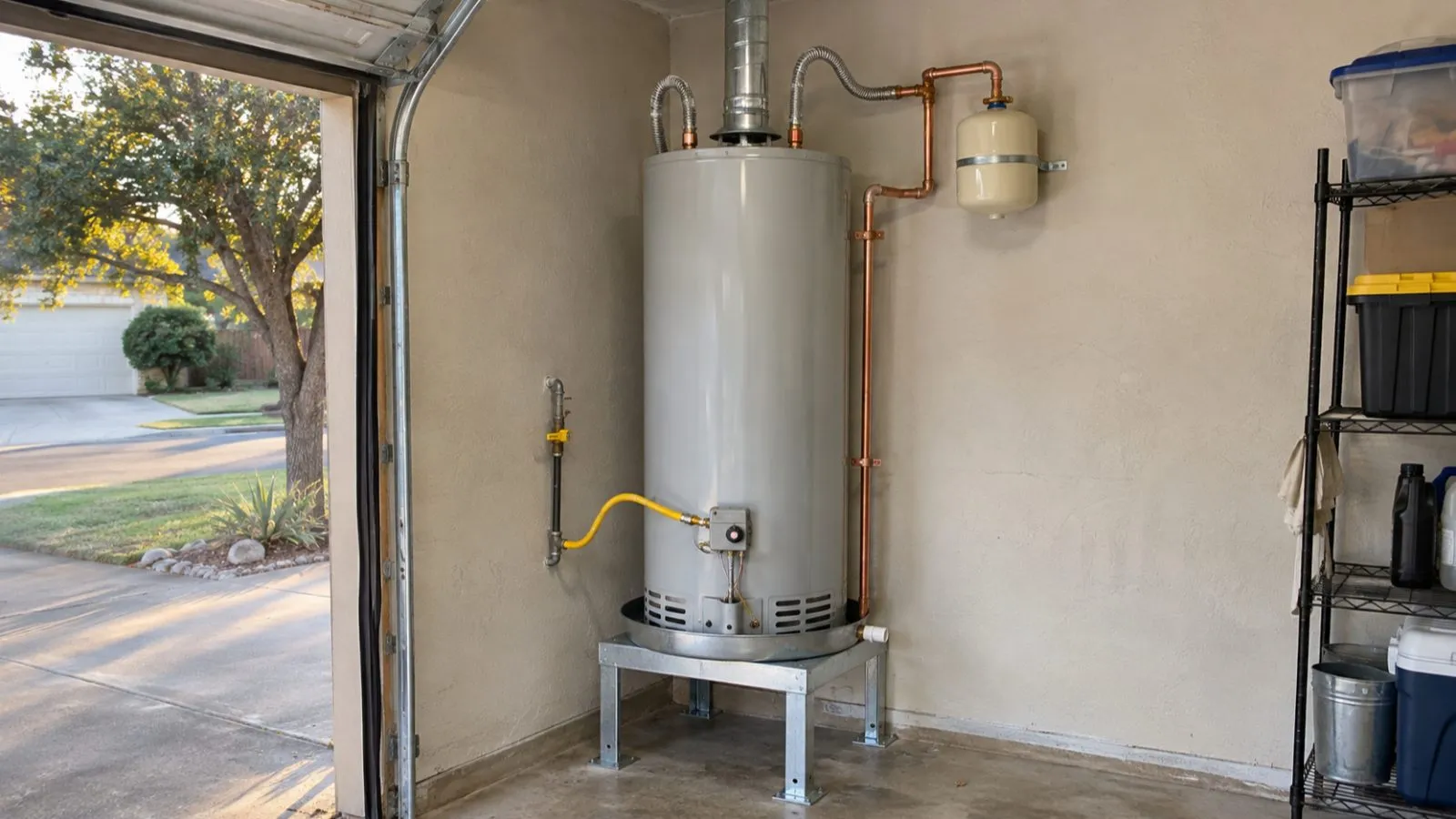
On-Demand Hot Water
Tankless Water Heater Installation in Round Rock, TX
Find out whether a tankless system suits your home's hot water needs. Get a Free Estimate
A tankless water heater provides hot water by heating it as water moves through the unit. Unlike a conventional storage tank, it does not maintain a large reserve of heated water throughout the day. This operating design can be attractive to homeowners who want to explore a different hot water arrangement, but successful installation depends on selecting equipment that can handle the home's demand.
We pass tankless installation requests to independent local contractors who can evaluate the property and explain the work involved. The contractor reviews the existing water heater, available gas or electrical supply, venting, installation location, and expected water demand before recommending an appropriate system.
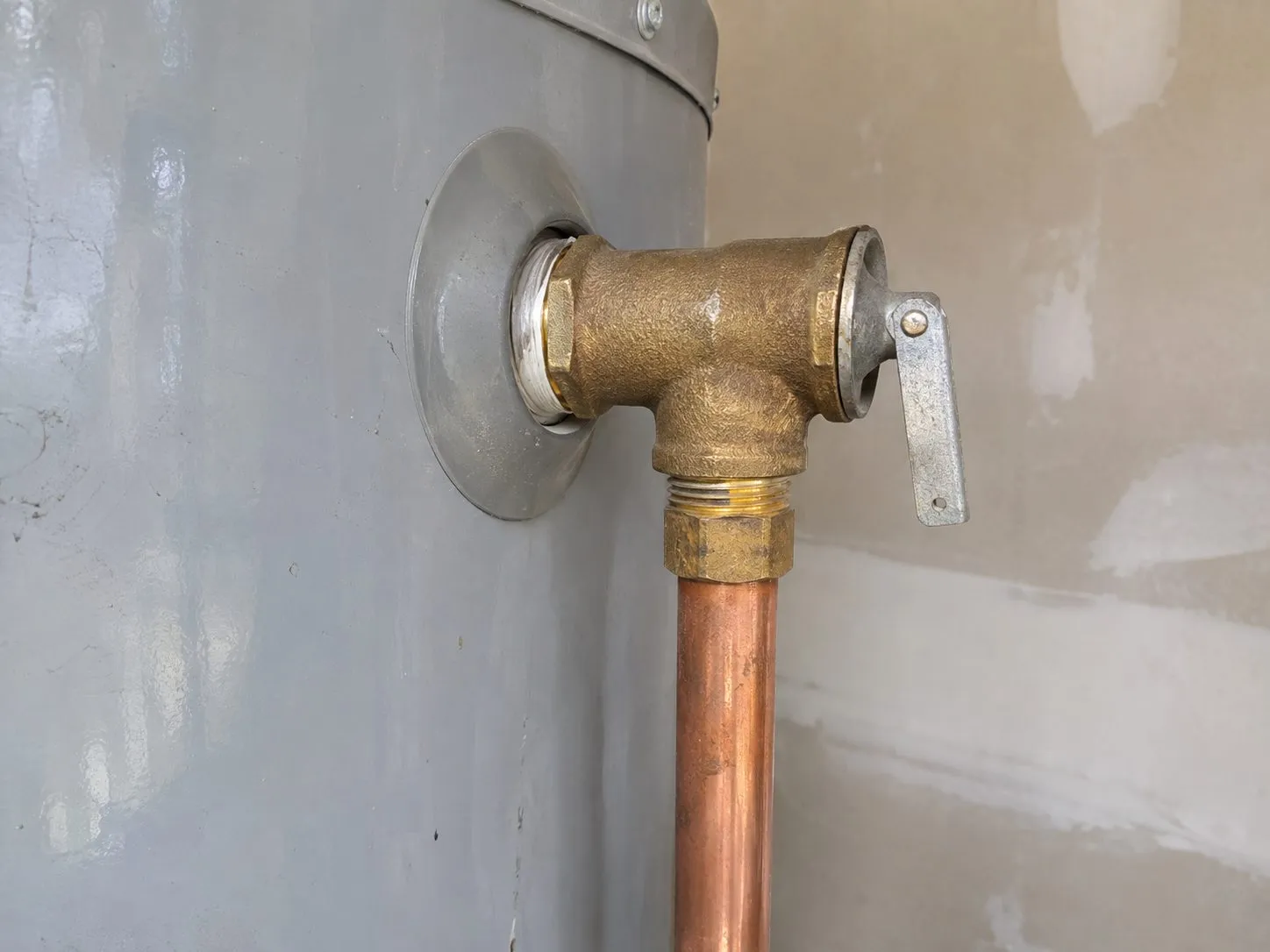
A tankless conversion should be planned around the property's actual utility capacity and hot water usage. The following factors help determine which equipment and installation approach may be appropriate.
The system must supply enough hot water for fixtures that operate at the same time. The contractor considers the combined flow requirements of showers, sinks, appliances, and other household uses.
Tankless units can have substantial utility requirements. The contractor determines whether the existing gas line, meter, electrical circuit, and available supply can support the selected model.
Gas-fired models require venting that meets equipment instructions and applicable requirements. The selected installation location must provide appropriate clearances and access for servicing.
Mineral accumulation can affect tankless heat exchangers. The contractor can explain manufacturer maintenance recommendations and whether water treatment or periodic flushing should be considered.
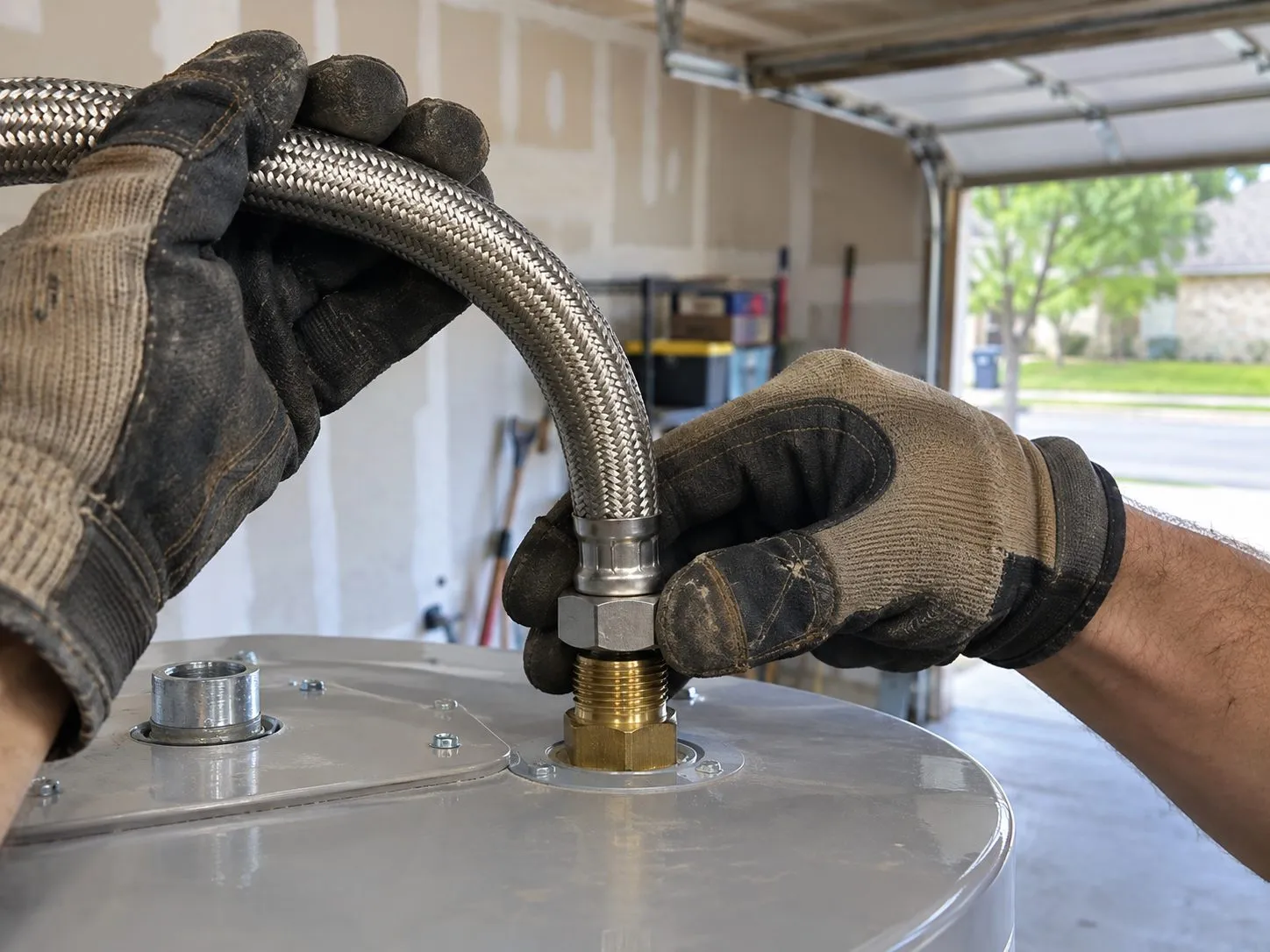
Changing from a conventional tank to a tankless system may involve plumbing modifications, removal of the old equipment, new connections, and changes to venting or utilities.
We connect your request with an independent contractor who can explain what changing system types involves.
The contractor can assess simultaneous fixture usage and available utilities before recommending a tankless configuration.
Questions about venting, connections, maintenance, and equipment placement can be discussed directly with the contractor.
Considering an on-demand system? Tell us about your current setup and we will forward your request to an independent contractor.
Free — no obligations
Tell us whether you currently have a storage tank or an existing tankless unit and what you hope to achieve with the new system.
We pass your request to an independent contractor who contacts you to discuss your property and installation goals.
The contractor evaluates hot water usage, fuel supply, electrical requirements, venting, water connections, and the proposed location.
The contractor explains suitable equipment and any changes needed to support its installation, then provides an estimate.
Following approval, the contractor installs the system, checks its operation, and explains relevant controls and maintenance.
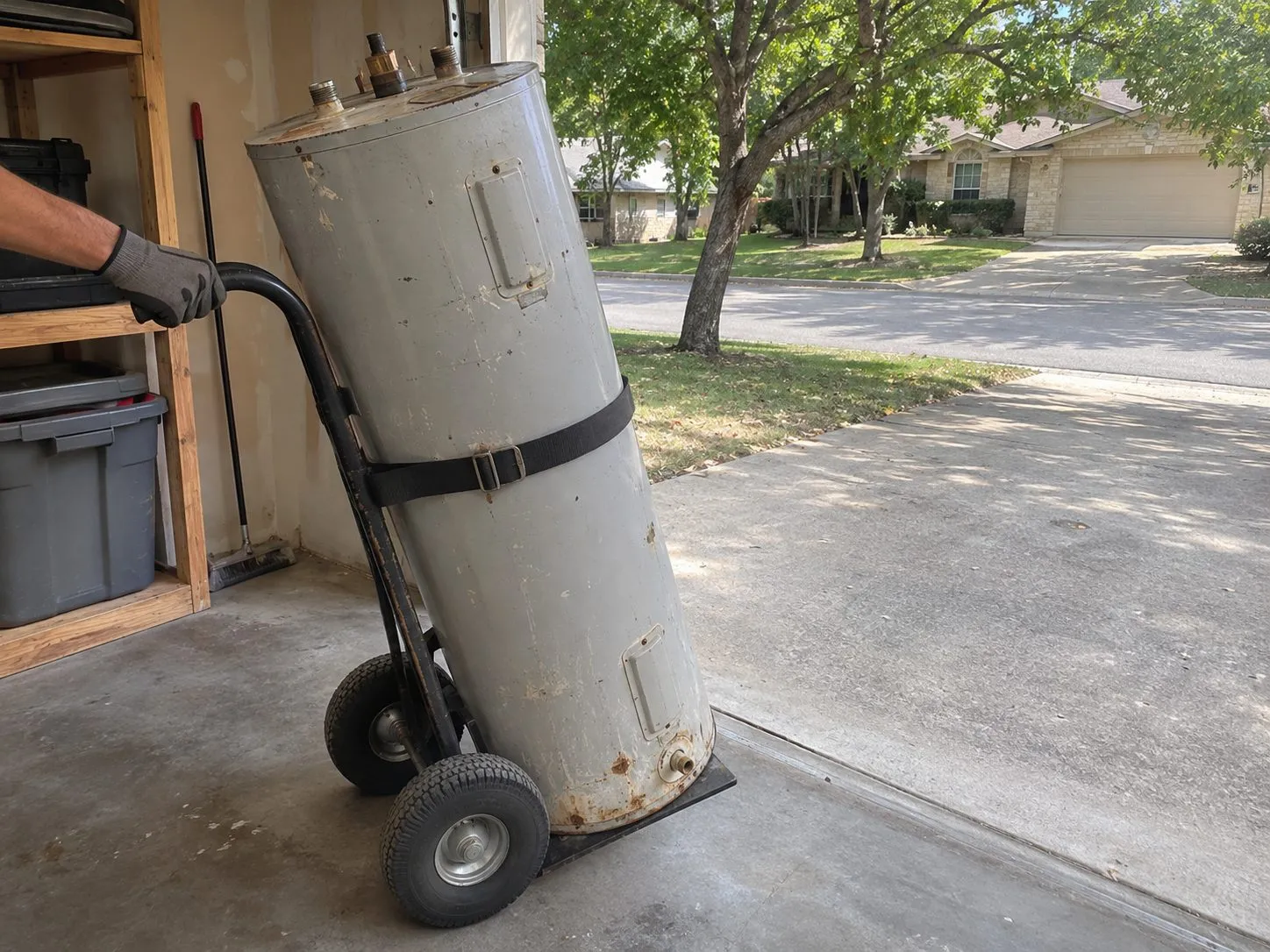
Tankless installation usually costs between $1,200 and $3,500, and about $2,800 on average with equipment and labor, according to This Old House. Those are national figures, and the estimate for your home is the one that counts. Switching from a tank usually adds gas line, venting or electrical work, which is where most of the difference comes from.
In Round Rock, a tank to tankless replacement has its own permit application, and the city asks for a completed gas piping chart with it. The Department of Energy explains how on-demand units work and why sizing to your household's flow rate matters.
Tankless equipment can provide hot water continuously while operating within its rated capacity and available supply. It still has a maximum flow rate, so too many simultaneous hot water demands can exceed its capabilities.
Sometimes, but the existing location may not meet the new unit's venting, clearance, drainage, or utility requirements. The contractor needs to assess the space before confirming placement.
Yes. Maintenance requirements depend on the model and water conditions. Manufacturers commonly recommend periodic inspection and attention to mineral scale, including flushing where specified.
Possibly. Some tankless models require more gas capacity than a conventional storage heater. The contractor should verify the existing gas supply and explain whether modifications are necessary.